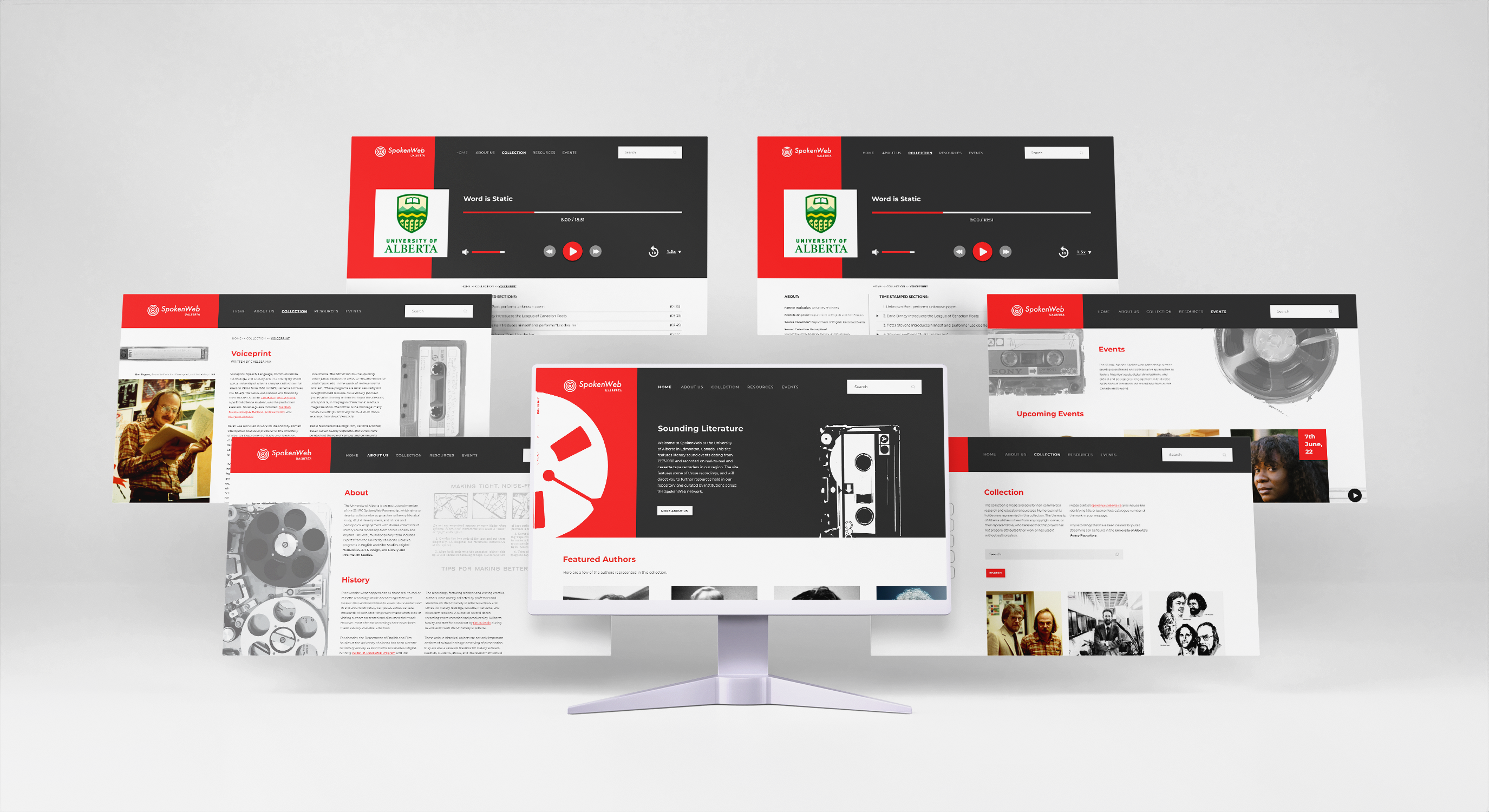
The SSHRC-funded SpokenWeb partnership aims to develop coordinated and collaborative approaches to literary historical study, digital development, and critical and pedagogical engagement with diverse collections of literary sound recordings from across Canada and beyond. This site features literary sound events dating from 1957-1988 and recorded on reel-to-reel and cassette tape recorders in our region of Alberta. The site features recordings, and will direct users to further resources held in their repository and curated by institutions across the SpokenWeb network. I served as the User Experience Designer for this project to create a digital space that would serve as an archive for spoken web poetry for the assistance of students and teachers.

The University of Alberta houses a vast collection of audio recordings by numerous poets, authors, and artists. However, accessing these recordings has been a challenge for students and teachers alike. To address this issue, SpokenWeb UAlberta was created as a platform that serves as an archive and repository. It also provides a visual narrative to supplement the audio collections and offer additional context. This website was designed to cater to the needs of students, teachers, and researchers alike.
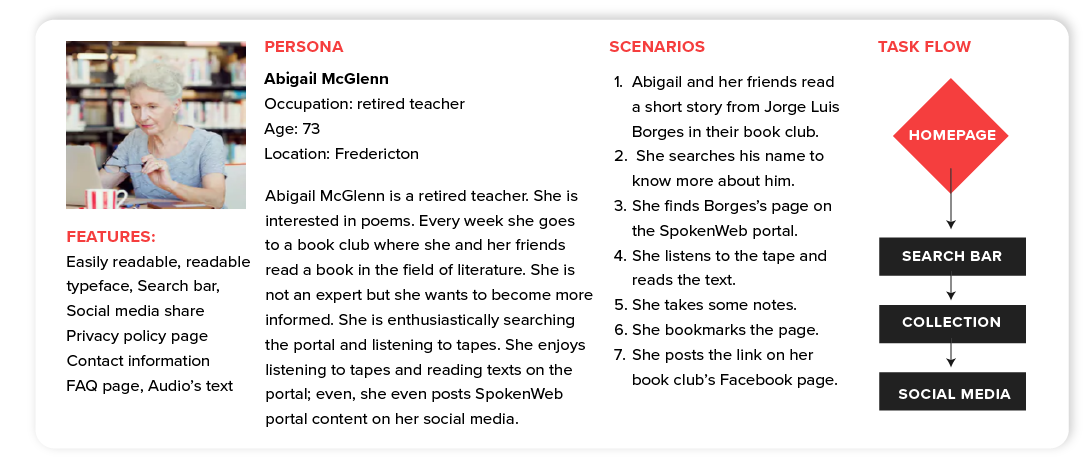
At the outset of the design process, we had a clear idea of the platform we wanted to create, drawing inspiration from the larger SpokenWeb network. Our primary focus was on creating a standalone platform that catered to the needs of our target audience, including students, teachers, and researchers. To achieve this, we began by creating design personas that allowed us to gain deeper insights into the users, their needs, and the necessary functionalities that would need to be included.
Next, we created wireframes to outline the website's structure and understand the user flow of information. From there, a series of medium fidelity prototypes were developed, showcasing different versions and looks for the website. Each version was rigorously tested, and numerous adjustments were made based on user feedback.
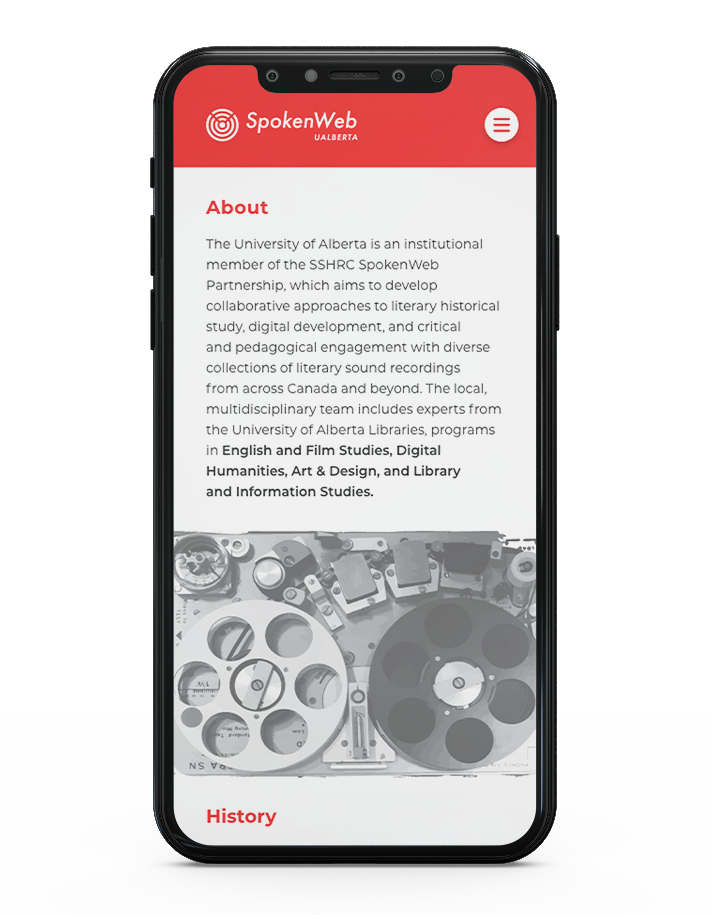
To enhance the user experience, we utilized images from the SpokenWeb archive by vectorizing them, which helped reduce the image size while maintaining their functionality and minimizing the website's overall size.
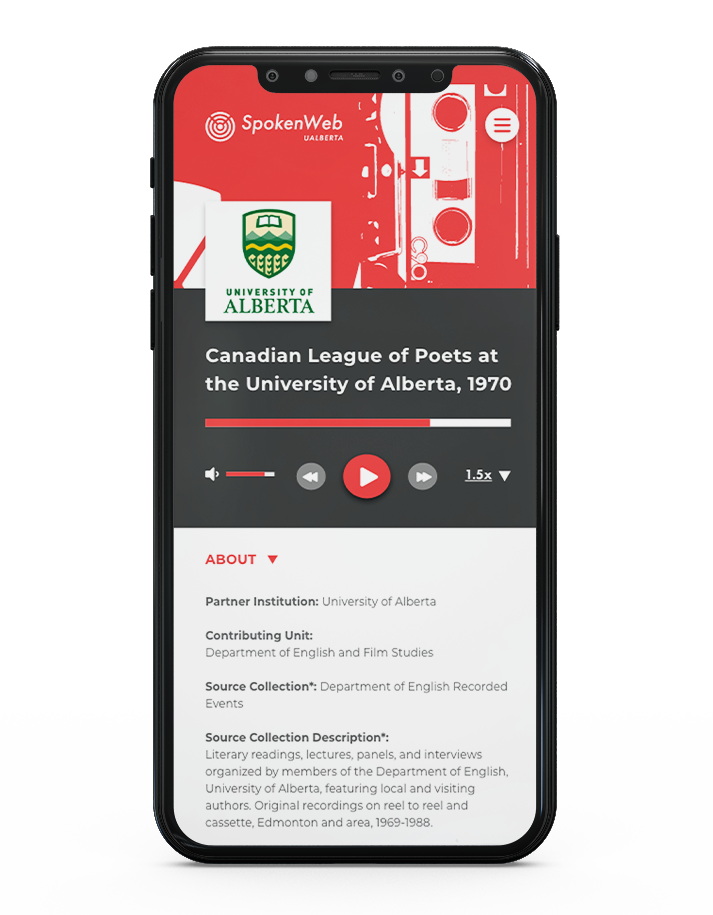
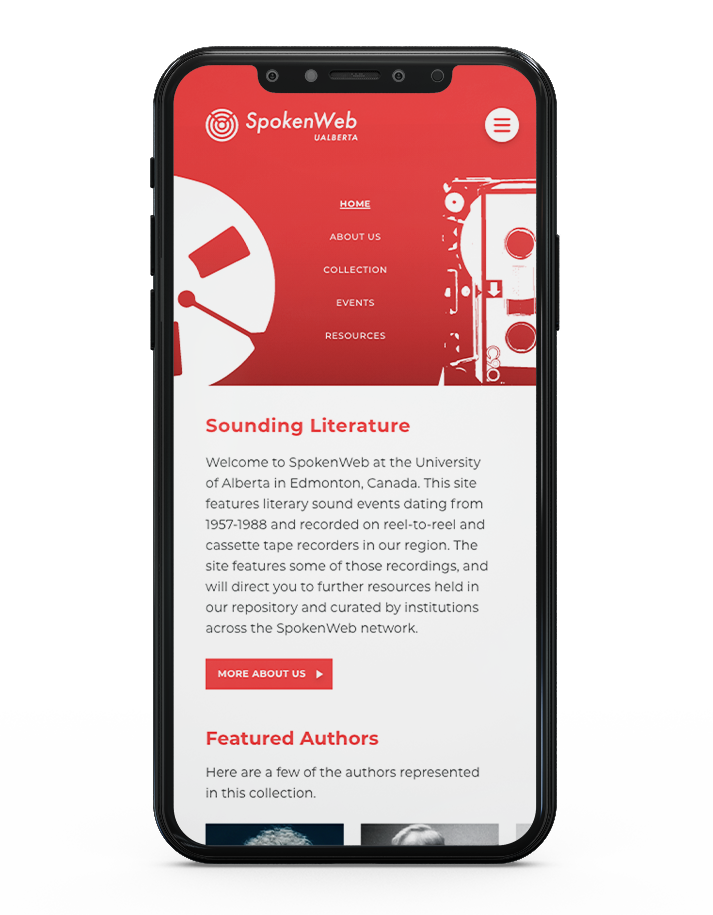
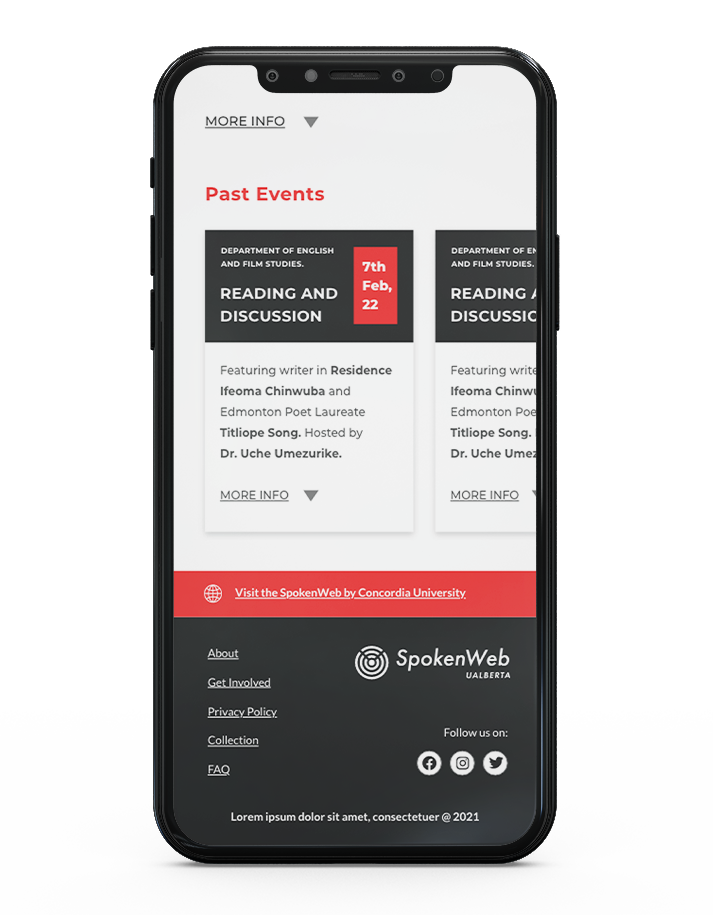
After finalizing the desktop version of the platform, we adapted it to work seamlessly on mobile devices by reducing the vector images used. This allowed us to create a website that was not only visually appealing but also highly intuitive and functional across all devices.
Overall, the research process was an integral part of the design process, allowing us to create a website that met the needs and expectations of our target audience while also fulfilling the primary goal of providing access to the University of Alberta's spoken word recordings.
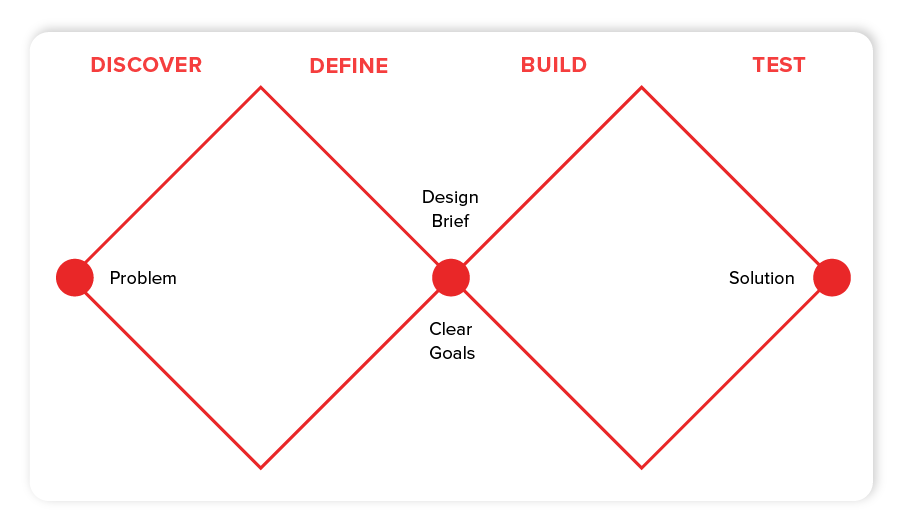
The platform features a large collection of audio material, meta data and visuals that would need to effectively structured to create a clear narrative for each collection.
The primary challenge was to create an engaging user experience despite the large amounts of data showcased. Secondly, the website would need to have a balance between being visually associated with the larger SpokenWeb network along with distinguishing itself . Lastly, we wanted the website to be data efficient and sustainable by adhering to minimal computing practices.
The design process for the Spoken UAlberta website was an iterative and collaborative effort aimed at creating an intuitive and user-friendly platform for accessing spoken word recordings. Through extensive user research, wireframing, prototyping, and user testing, the final design was optimized for both desktop and mobile users, ensuring a seamless and engaging experience across all devices.
One of the key challenges of the project was to provide an interface that effectively showcases the vast repository of audio collections while also providing context and additional information to enrich the user experience. To address this challenge, the design team incorporated a visual narrative that helps users navigate the collections and understand the historical and cultural significance of the recordings.
The resulting website has been well-received by users and has successfully fulfilled its goal of providing access to the spoken word recordings of the University of Alberta community. By implementing a user-centered design approach, we were able to create a platform that not only meets the functional requirements but also engages and delights users.
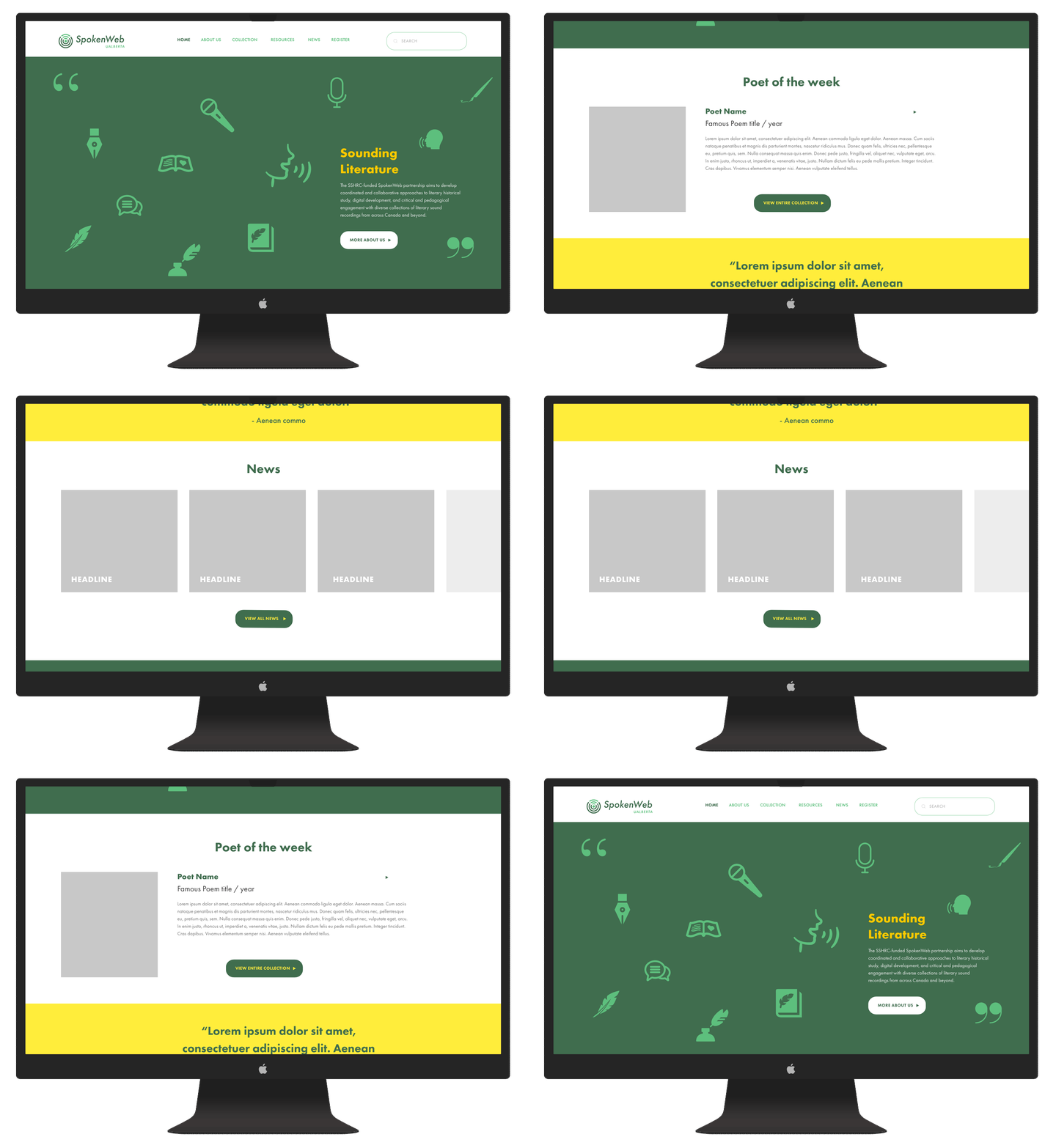
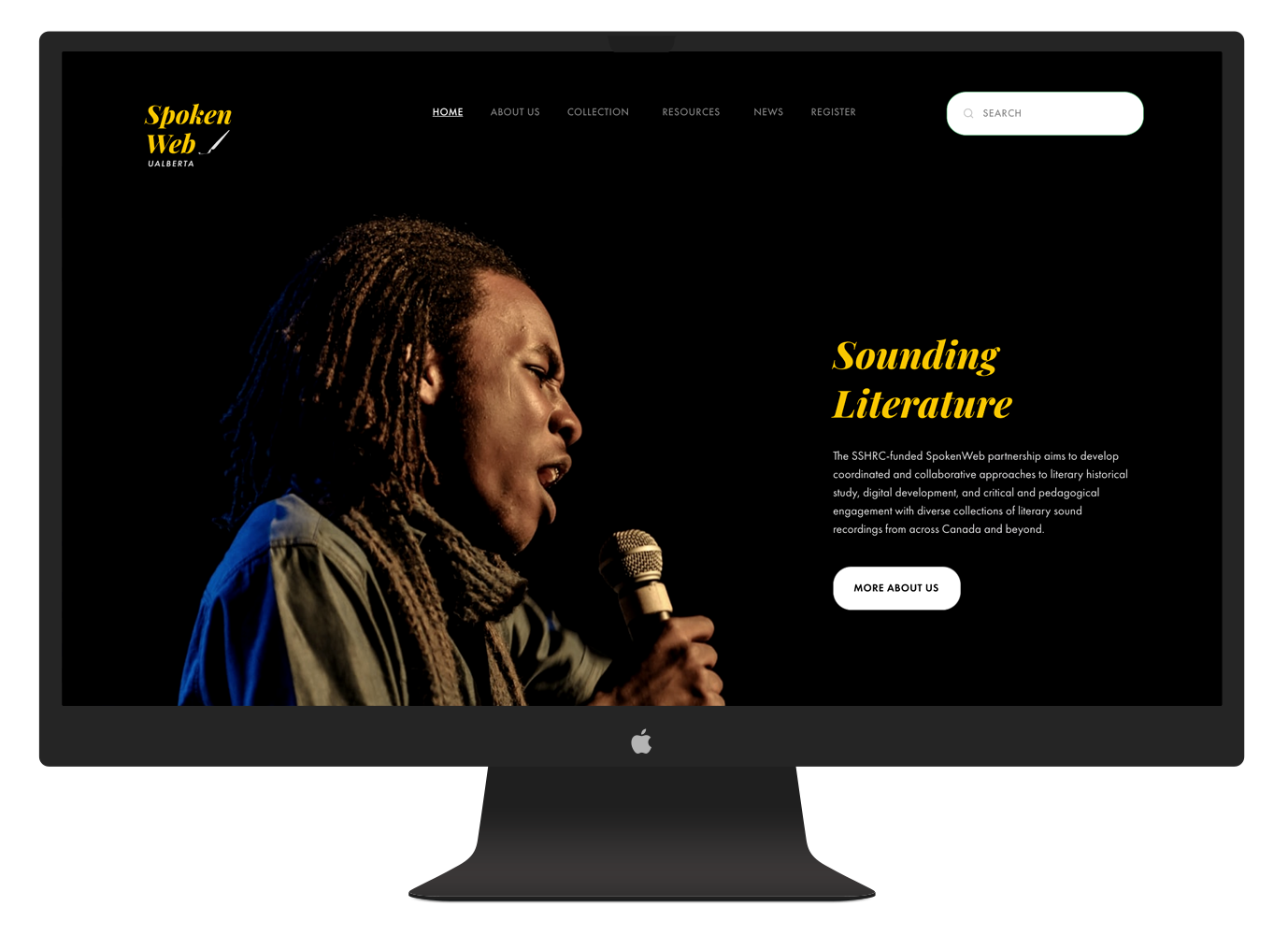
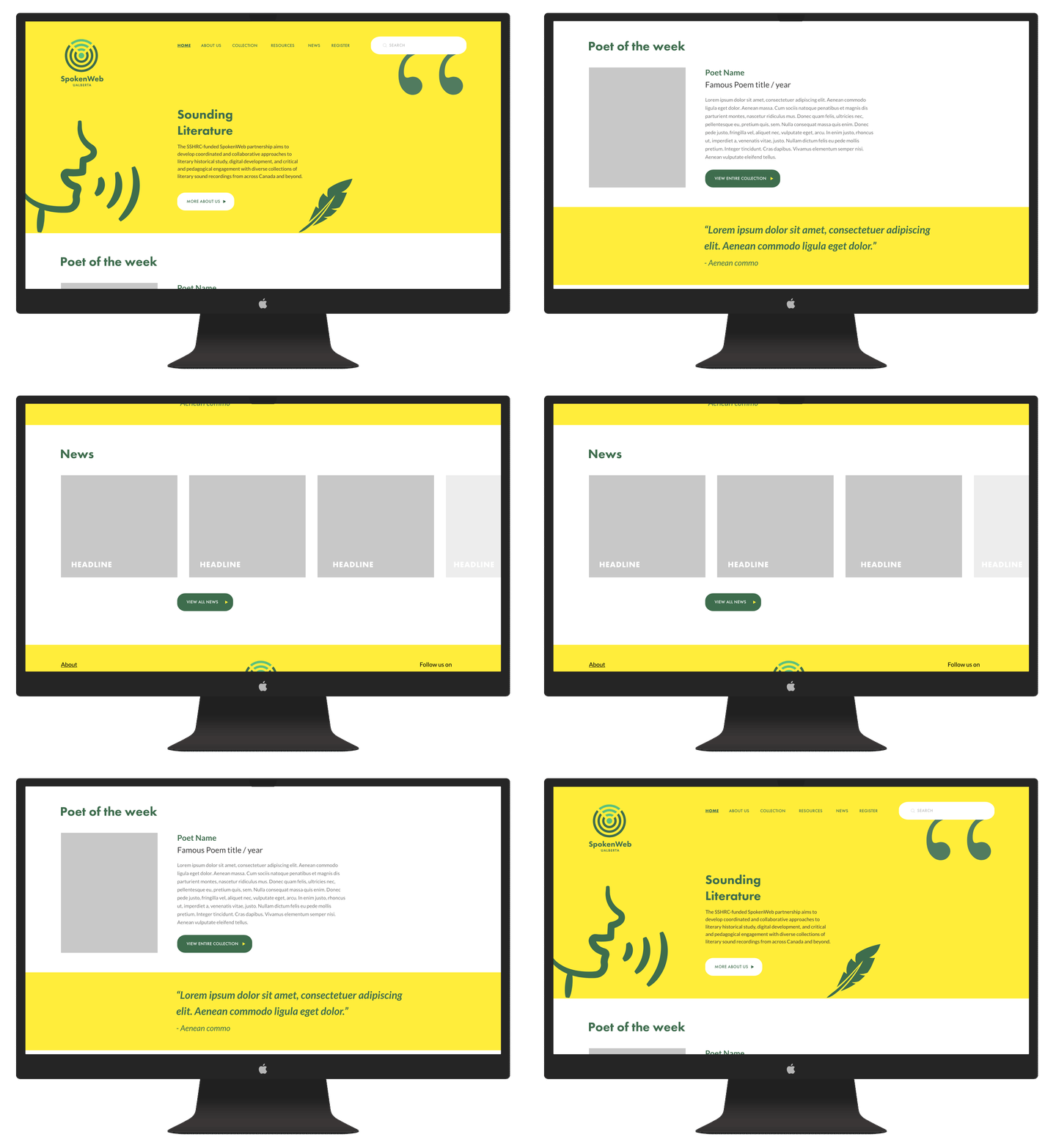
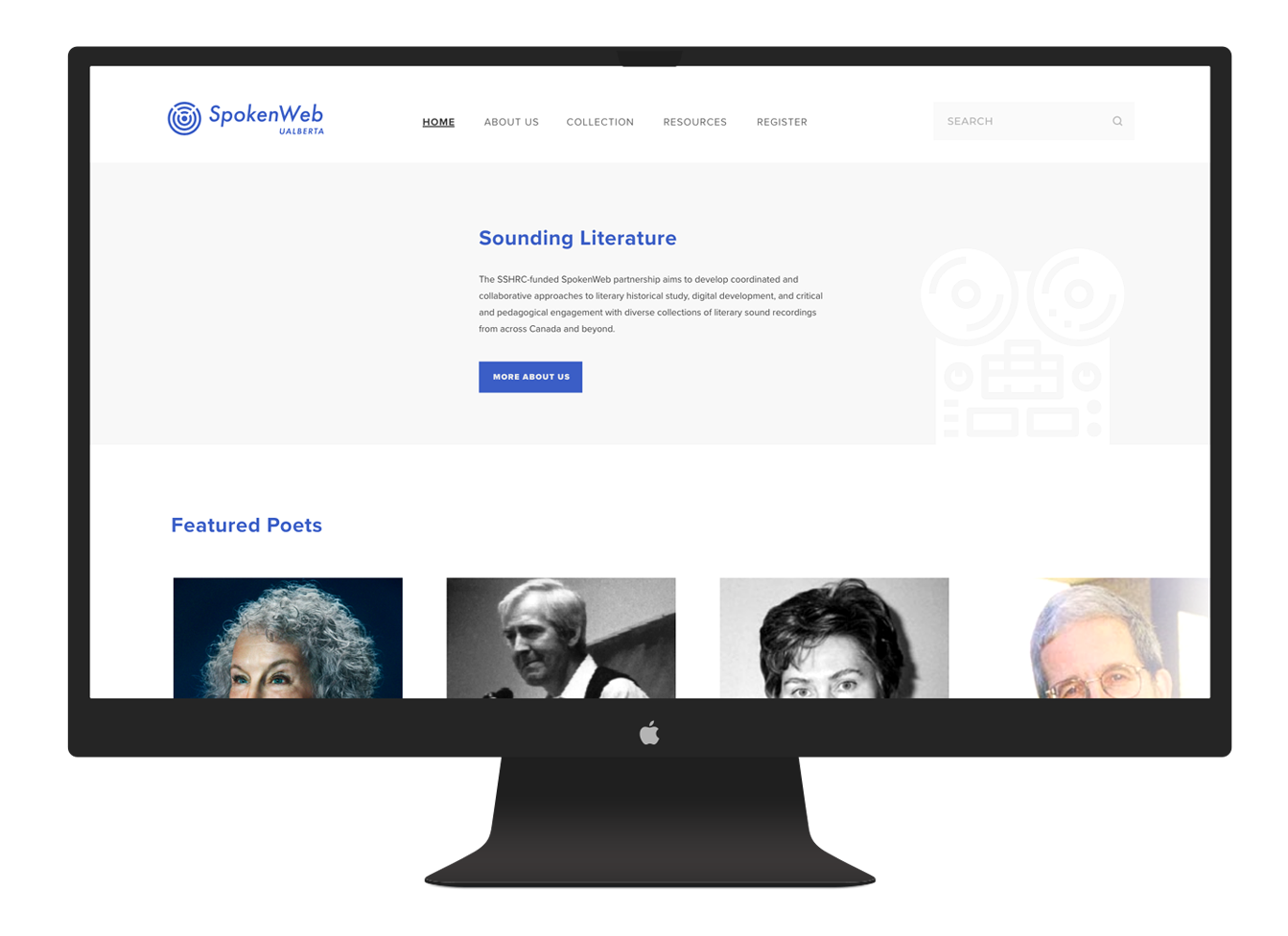
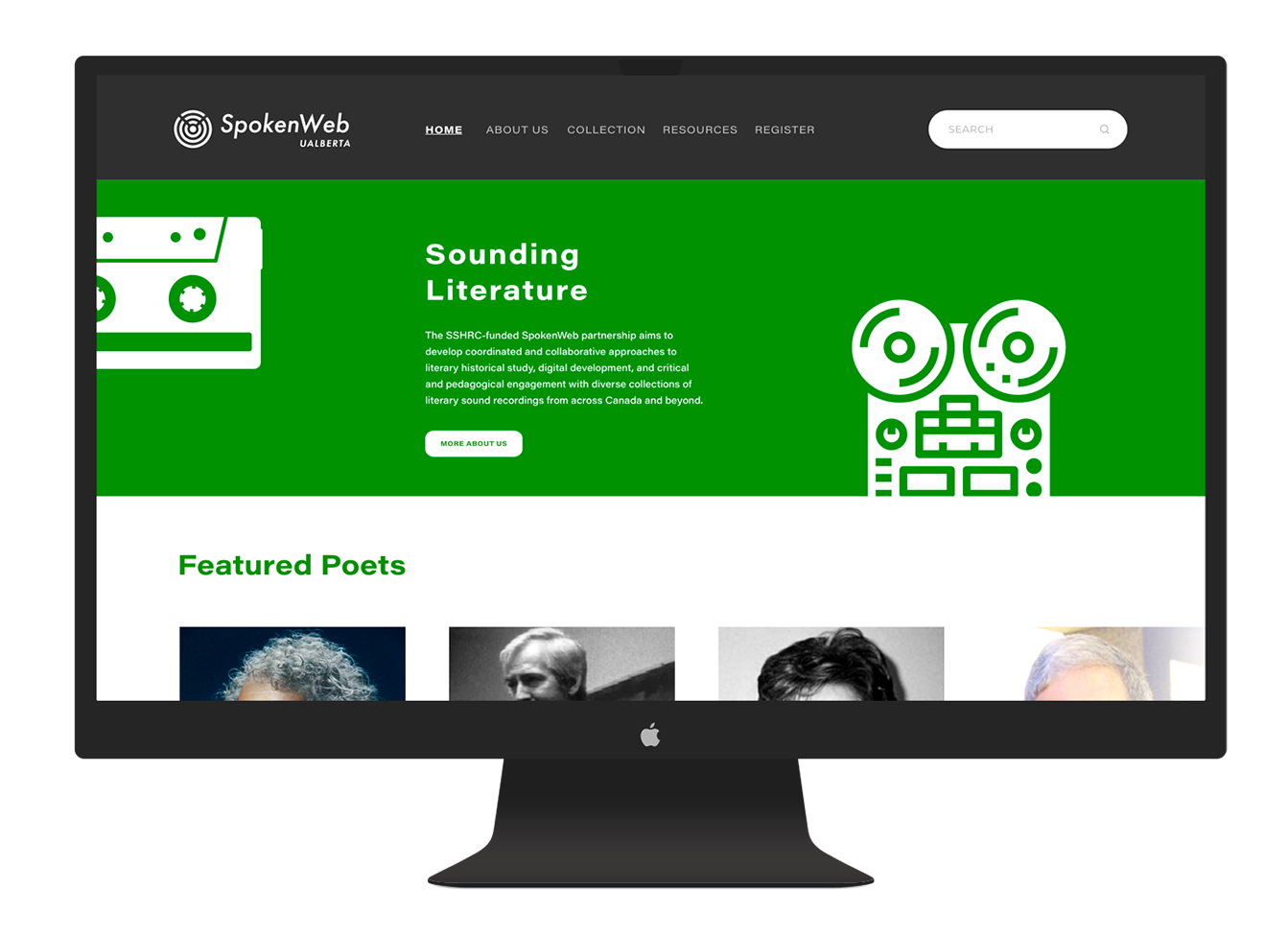
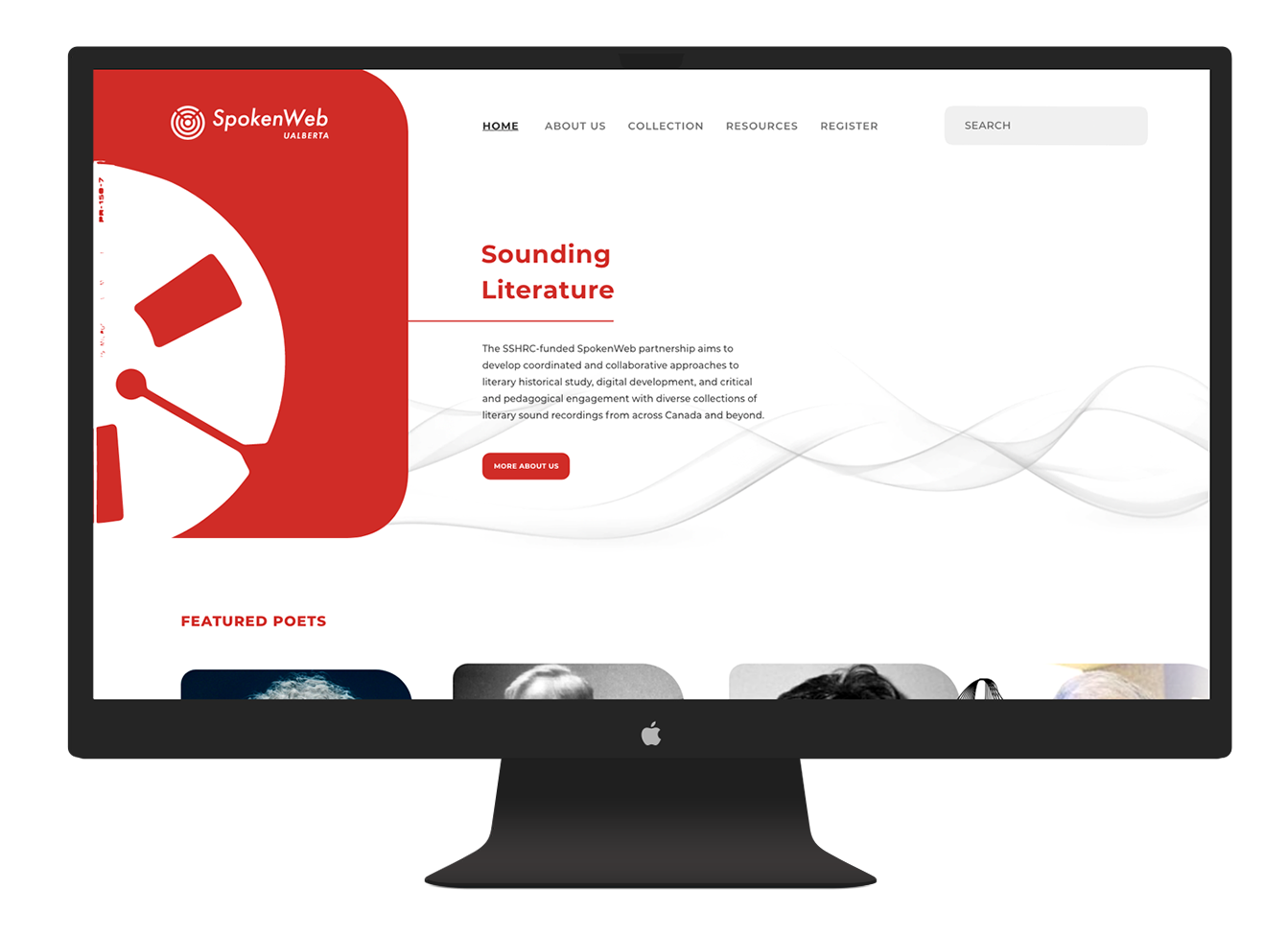
During the design process, I initially incorporated the University of Alberta brand colours, green and yellow, into the website design while maintaining a minimalistic approach. However, when I conducted user testing, I discovered that the users expressed a preference for more interactive and visually engaging experiences that would captivate the interests of the students. This feedback prompted me to reconsider the design direction.
With the aim of creating a visually captivating experience, I explored various design options. After careful consideration, the team and I decided to venture into a retro aesthetic for the website. We wanted to evoke a sense of nostalgia and uniqueness that would resonate with the target audience. To achieve this, we made use of images sourced from the archive, integrating them into the design elements.
By incorporating these retro elements, we aimed to create a visually appealing and immersive experience that would capture the attention and interest of the students. The use of archive images not only added a visually engaging aspect to the website but also emphasized the historical significance of the spoken word recordings.
Overall, the decision to explore a retro look was driven by the users' preference for more interactive and visually engaging experiences. It allowed us to create a unique and captivating design that successfully combined the modern functionality of the website with a touch of nostalgia and historical context.
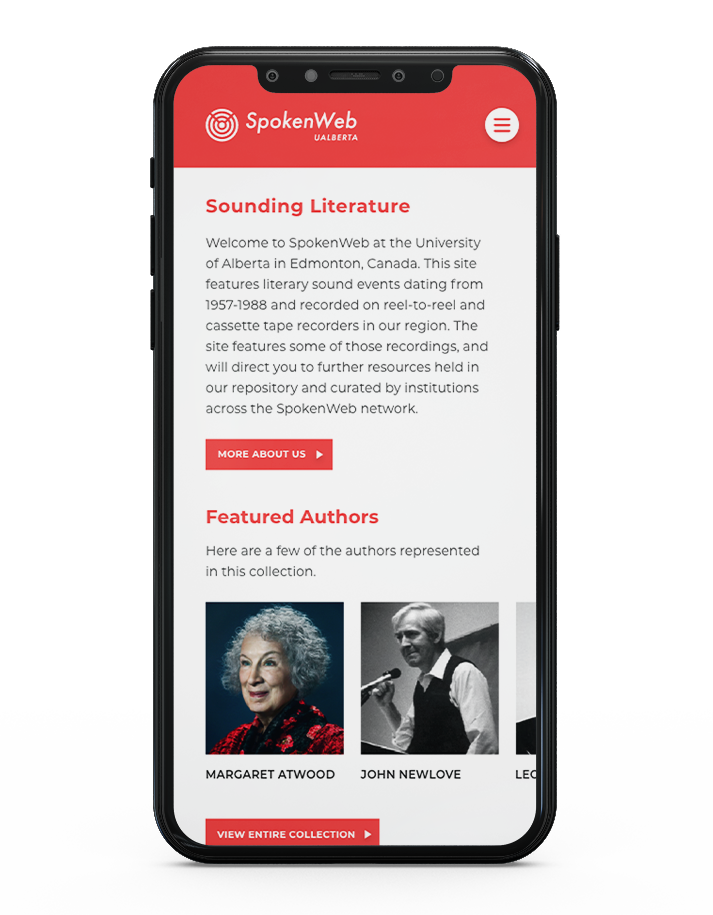
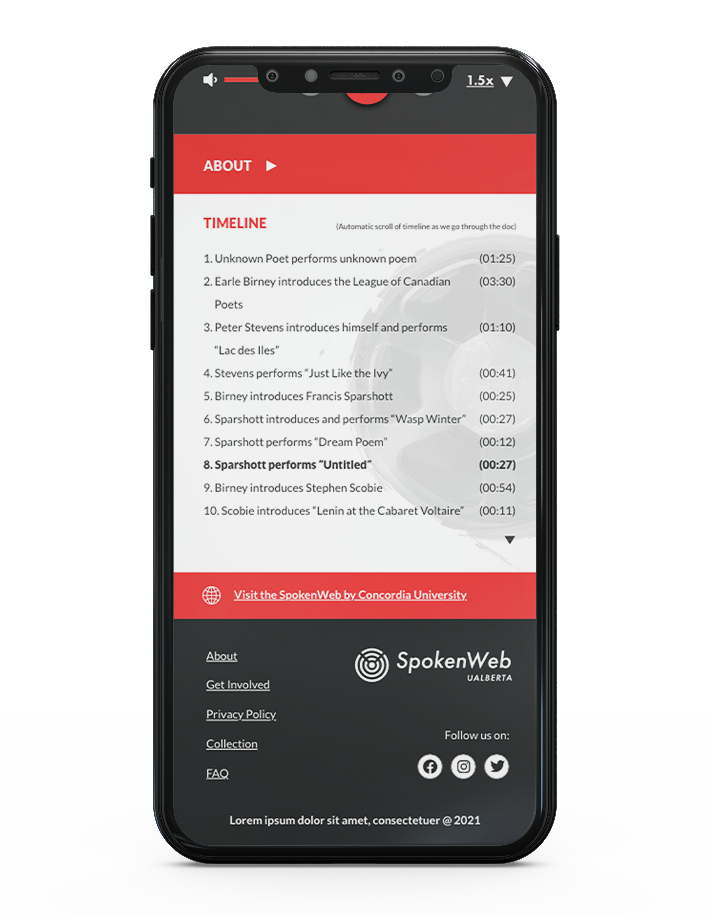
Spoken UAlberta website is a testament to the power of user-centered design. By prioritizing the needs and expectations of the target audience, we were able to create an effective and visually appealing platform that not only facilitates access to the audio collections but also provides a rich and engaging user experience. The success of the project underscores the importance of user research and testing in creating digital experiences that meet the needs and expectations of users.